


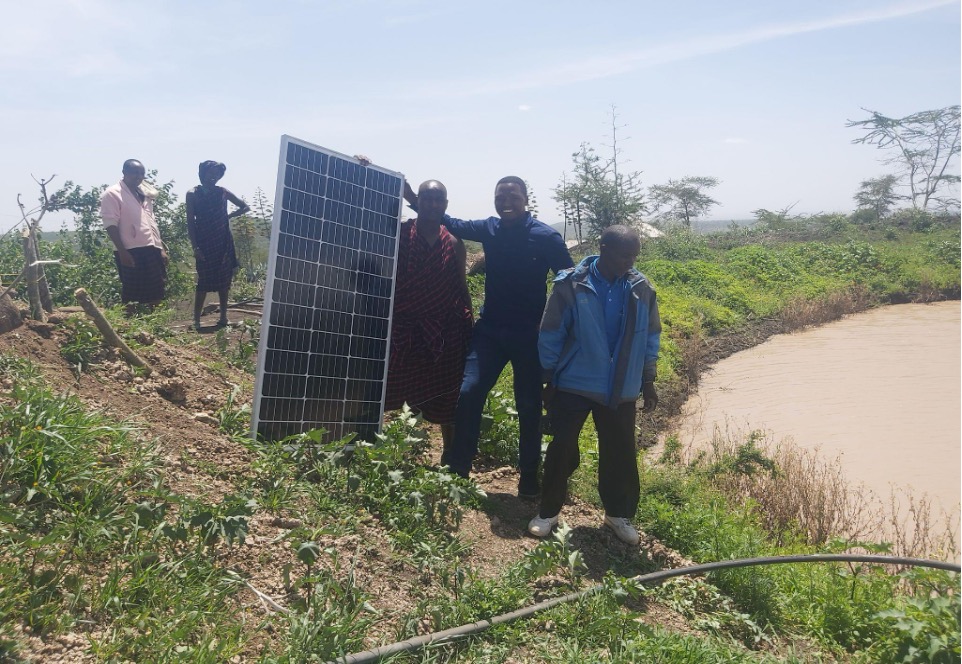
The Maasai are a Nilotic ethnic group inhabiting northern, central, and southern Kenya and northern Tanzania. They are among the best-known local populations internationally due to their residence near the many game parks of the African Rift Valley and their distinctive customs and dress. The Maasai speak the Maa language. Except for some elders living in rural areas, most Maasai people also speak the official languages of Kenya and Tanzania, Swahili and English.
The Maasai tribe is known for its proud identity and long-preserved culture. As one of the oldest tribes in the world, the Maasai have a rich culture and language. The tribe in Monduli in Arusha lives a nomadic life. The women walk nearly 9 hours daily to fetch water, and the children often sacrifice due to the social stigma around education in their community and a necessity for survival. Instead of schooling, many Maasai children will tend to cattle while their mothers collect water. This community’s lack of clean, accessible water is a huge bottleneck.
The first water harvesting unit of 100,000 liters was built in July 2022 and serves 1500-4500 Masaai. Its most significant impact is improving the health of the local settlers, providing better sanitation and reducing the risk of waterborne illnesses. Based on community feedback, the current water harvesting unit saved an average of over 8 hours of walking per day, mainly giving adults and children time to devote to educational or economic opportunities. Teachers in the area reported that school enrollment and attendance doubled since the tank was operational. In addition, farmers can irrigate their crops and increase crop production.
Overall, the project intends to mitigate or solve the lack of accessible and clean water for everyone in the Monduli District, benefitting 50,000+ Maasai. The project has worked closely with the Masaai community conducting in-depth surveys and a picture-based community workshop with 15 Maasai tribe members and high school students from US. The local Massai leader manages water harvesting, unit care, and distribution. The water distribution approach ensures equitable water distribution across the community. Nominal fees, as agreed to by the community($0.20 per 30 litres) are charged for the water to support ongoing unit operations and maintenance. There is a clear need to have separate sources for animals and humans, so we can conserve clean water for humans. The current unit is only for humans and animals and is not used for agriculture.
Core Team

Led by Mbayani Tayai, a group of five amazingly dedicated high school students from Sacred Heart Preparatory, Atherton, CA and Durham Academy, Raleigh, CA, contributed to this project. Roshan Taneja and Yuvraj Taneja who have worked with the community over the past 4+ years got their friends excited to join this journey. They work closely with Maji Wells, Vijana Foundation, Engineers across Borders, and Karimu Foundation to prioritize the programs. Karimu has taken these students under our wing and is providing advice, connecting the group with additional resources and expertise, and supporting their fundraising and financial transactions through our platform. However, they are driving all the fundraising and project management.